Smile Kitten Font: A Web Designer's Review for Digital Branding
I was rebuilding the hero section for a boutique wellness coaching site, looking for a display typeface that could communicate warmth without sacrificing professionalism. The brand needed something approachable, human, and memorable—but most script fonts I tested felt either too rigid or overly decorative for a digital environment. That’s when I opened Smile Kitten for the first time, dropped it into the main headline, and immediately saw the layout come alive. This hand-scripted display typeface from Script Amp brings a rare combination of charm and readability to web design, making it a strong candidate for online brands that want to feel personal without losing clarity.
What Smile Kitten Brings to Digital Layouts
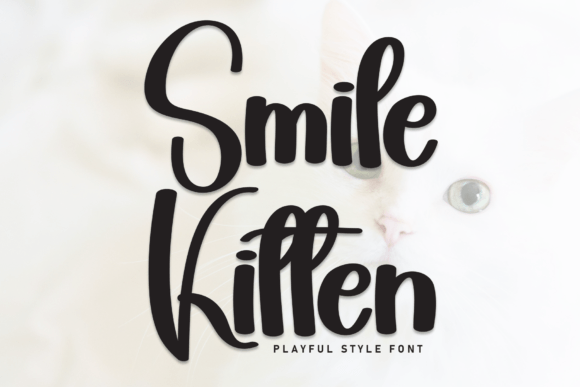
Smile Kitten is a hand-scripted display font that feels like it was written with genuine care. Its letters have a natural bounce, with slightly uneven baseline shifts that mimic real handwriting. The strokes are smooth and rounded, giving the typeface a friendly, inviting personality that works beautifully in hero titles, landing page headers, and call-to-action areas. Unlike many script fonts that feel stiff when rendered at larger sizes, Smile Kitten retains its organic flow and charm across desktop and mobile screens. The ligatures and alternate characters add a handmade quality that helps brands stand out in a crowded digital space. For web designers looking to inject a human touch into a layout, this font delivers on both aesthetic appeal and emotional connection.
Testing Smile Kitten on a Real Website Project
I recently used Smile Kitten in a landing page redesign for a small online store selling artisan candles and home goods. The brand identity was built around natural ingredients, small-batch production, and a cozy aesthetic. I placed Smile Kitten in the main headline above the fold, paired with a clean sans serif font for the body copy. The result was immediate: the script drew the eye without overwhelming the page. On desktop, the headline felt spacious and elegant. On mobile, the font scaled down gracefully, maintaining legibility even at smaller sizes when used for short phrases. I also tested Smile Kitten in the store’s promotional banner graphics, where it added a handcrafted feel to limited-time offers and seasonal messages. The font performed well on both light and dark backgrounds, though I found it most effective when given enough breathing room—avoiding clutter around the text preserved its natural rhythm.
Web Design Uses Where Smile Kitten Shines
Smile Kitten is a display font, and it performs best when used for short, impactful text. Here are the web design applications where I found it most effective:
- Hero section headlines – The font’s handwritten quality creates an immediate emotional connection, perfect for brand storytelling.
- Call-to-action buttons – A short phrase like “Shop Now” or “Get Started” takes on a friendly, personal tone when set in Smile Kitten.
- Logo text and taglines – For brands that want a handcrafted identity, this font works well as a primary logo typeface or accent element.
- Section headers – Used sparingly, Smile Kitten can highlight key sections like “About Us” or “Our Story” with a warm, inviting feel.
- Online shop banners – Seasonal promotions, new arrivals, and limited editions benefit from the font’s approachable character.
- Course and coaching landing pages – Smile Kitten helps convey a supportive, human-centered tone that resonates with audiences seeking personal growth.
I also tested it in blog header graphics and digital ad creatives, where it added a distinctive visual anchor. The font’s natural ligatures and alternates give each word a unique look, which is especially valuable for brands that want to avoid feeling generic.
Readability and Responsive Considerations
One of the biggest concerns when using a script font on the web is readability, especially on smaller screens. Smile Kitten handles this better than many display scripts I’ve worked with. The letterforms are open and distinct, with enough contrast between characters to prevent confusion. I tested it on a 320px-wide mobile viewport, and headlines remained readable down to around 24px. For best results, I recommend using Smile Kitten at sizes of 30px or larger on mobile, and at least 48px on desktop. The font also works well as an overlay on background images, provided the image has enough contrast or a subtle text shadow is applied. Avoid using Smile Kitten for body copy, navigation links, form labels, or any small text where speed and clarity are critical. It is a display font by nature, and forcing it into long-form or dense UI roles will compromise both readability and brand perception.
Pairing Smile Kitten with Other Fonts for Web
Great web typography is about balance, and Smile Kitten pairs beautifully with simpler typefaces. In my test project, I used a clean sans serif font for body copy, button text, and secondary navigation. The contrast between the hand-scripted display face and the neutral sans serif created a clear visual hierarchy that guided users naturally through the page. For a more editorial feel, you could pair Smile Kitten with a lightweight serif font for pull quotes or accent headings. If the brand identity leans playful, a rounded sans serif or a simple handwritten font can also work well. The key is to let Smile Kitten take the lead in hero areas while supporting fonts handle the heavy lifting of long-form content and interface elements. This approach keeps the design feeling intentional and polished without overwhelming the user.
Licensing, Formats, and What to Check Before You Buy
Before using Smile Kitten on a live website, client project, or digital template, it is essential to review the commercial font license included with your purchase. The Script Amp product page should specify whether web use, webfont embedding, and digital template distribution are covered under the standard license or require an extended license. I also recommend checking the file formats provided—typically OTF, TTF, and WOFF—and verifying that the font includes the glyphs, alternates, ligatures, and multilingual support your project needs. If you are building a brand kit or a multi-page website, confirming that the font is available as a webfont with proper CSS support will save you time during development. Taking these steps early ensures that Smile Kitten remains a reliable asset in your design toolkit, not a source of last-minute headaches.
Smile Kitten has earned a permanent spot in my web design workflow for projects that need a warm, human touch. It brings personality to digital spaces without sacrificing the clarity and structure that good UX requires. Whether you’re designing a boutique online store, a coaching landing page, a creative portfolio, or a campaign site, this font offers a genuine way to connect with your audience through typography that feels like it was made just for them.